
What Is Patient Coaching for New Hearing Aid Wearers?
Old Town Fort Collins on a Friday night gets loud fast, live music
By: admin | August 24, 2026
Old Town Fort Collins on a Friday night gets loud fast, live music spilling out of the Aggie Theatre, patio conversations stacking on top of each other, bikes and traffic weaving through it all.
If you’ve picked up new hearing aids recently, a scene like that can feel like a lot, way louder and busier than you braced for. That reaction makes sense, and it’s exactly why adjusting to hearing aids takes more than just putting them in.
Patient coaching walks you through that adjustment instead of leaving you to sort it out solo. A professional audiologist helps you get used to volume changes, background noise and sounds you haven’t noticed clearly in years.
This isn’t a one-and-done appointment. Your brain needs time to relearn how to process sound, and having someone with you through that makes all the difference. It’s often the reason people actually keep wearing their hearing aids instead of giving up a few weeks in.
Getting hearing aids is only the beginning of learning how to hear comfortably with them. Patient coaching gives new wearers practical guidance as unfamiliar sounds, routines and listening situations become part of daily life.
It also creates space to ask questions before small frustrations turn into reasons to leave the devices unused. Coaching can be tailored around the places, conversations and challenges that matter most to each person. Some of the most useful benefits include:
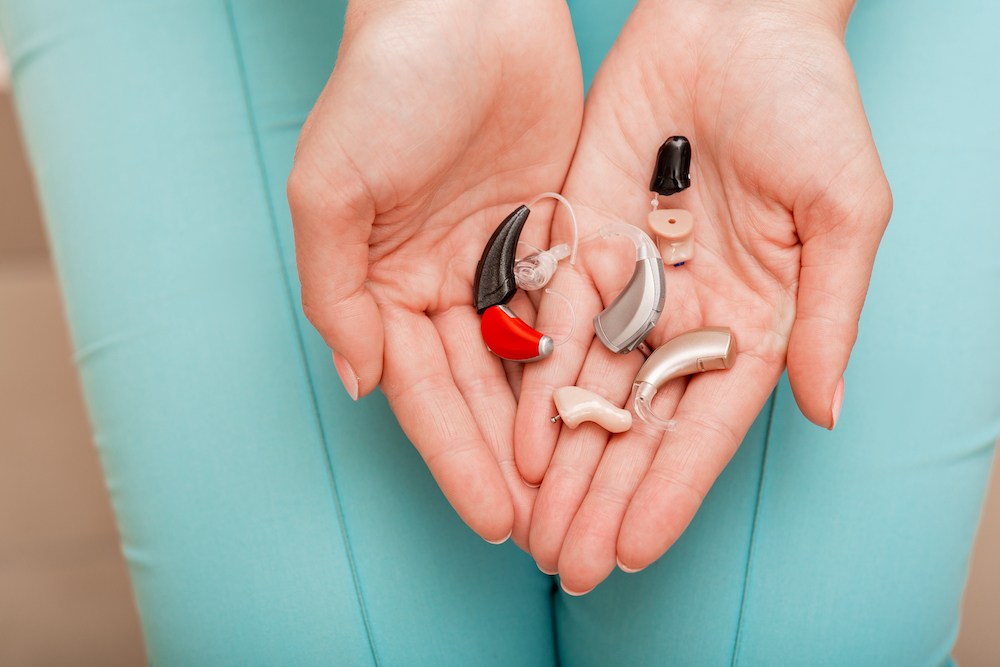
New hearing aids can feel noticeable at first, even when they fit correctly. Your ears may need time to adjust to having a dome, earmold or behind-the-ear component in place for several hours. Mild pressure or awareness can be common during the first few days.
As you wear the devices more consistently, they should start to feel less distracting. Persistent soreness, rubbing or tender spots are different and may point to a fit issue. Keeping track of where discomfort occurs can make it easier to explain during a follow-up visit.
New hearing aids can bring back sounds the brain has not processed clearly in a long time. Running water, footsteps, dishes and even clothing movement may suddenly seem unusually noticeable.
Your own voice may also sound louder, deeper or simply different because you are hearing more of it.
Busy restaurants, group conversations and other layered environments can feel especially demanding at first. The brain must relearn which sounds deserve attention and which belong in the background.
Gradually spending time in different listening situations can make those distinctions feel more natural. Early frustration does not necessarily mean the hearing aids are set incorrectly.
Keeping track of specific situations that feel difficult gives an audiologist more useful information than simply saying everything sounds too loud. Those details can help guide adjustments and coaching during follow-up visits.
Northern Colorado gives hearing aid wearers plenty of opportunities to move between very different listening environments.
A gusty foothills trail may create constant wind noise, while an outdoor patio can combine conversation with traffic and surrounding chatter. Those changing conditions can make it harder to decide which sounds deserve attention.
Coaching can help wearers learn when to use different listening programs or features for these situations. It can also cover positioning, microphone direction and simple communication strategies when wind or competing voices become distracting.
Practicing these adjustments during everyday outings helps make them easier to use when conditions change quickly.
A sudden high-pitched whistle can be frustrating when you are still getting used to hearing aids.
Feedback often happens when amplified sound escapes the ear and reaches the microphone again. A loose fit, earwax buildup or something brushing against the device can sometimes trigger it.
Learning what causes the sound makes it easier to troubleshoot the issue without immediately assuming something is wrong with the hearing aid. An audiologist can show you how the device should sit and what areas to check when whistling starts. That guidance can make occasional feedback much less disruptive.
Daily care becomes much easier once it is part of a regular routine. Cleaning, checking power and storing hearing aids correctly can help prevent weak sound, unexpected shutoffs and moisture-related problems.
A basic routine can include:
Traffic, kitchen appliances and nearby conversations may suddenly seem much more noticeable with new hearing aids.
Many of these sounds were always present, but the brain may not have received them clearly for some time. Hearing them again can make everyday environments feel unusually busy at first.
Today’s hearing aids can help manage competing noise, but they cannot remove every unwanted sound. The brain also needs time to relearn which sounds deserve attention and which can fade into the background.
Consistent wear helps that sorting process become more natural as the adjustment period continues.
Getting comfortable with hearing aids usually happens in stages. Familiar environments are a useful place to begin because you already know how the room, voices and everyday sounds normally feel.
Start with quieter settings at home, then gradually add more challenging situations as listening becomes easier.
You might move from a one-on-one conversation to a family dinner, a store or a restaurant with moderate background noise. Each setting gives your brain a different mix of speech, movement and competing sound to sort through.
It can also help to focus on one listening goal during each outing. You might pay attention to following one speaker, hearing from across a table or noticing whether background noise feels distracting.
Those specific observations are much more useful than simply deciding whether the hearing aids sounded good or bad.
Keeping brief notes after difficult situations can make patterns easier to spot. Bringing those examples to a follow-up visit gives your audiologist clearer information for future adjustments and coaching.
Family and friends can make conversations easier without much effort at all. Just facing you when they talk gives you a shot at picking up facial expressions and other visual cues you rely on more than you realize.
Tell them what actually helps you. Speaking clearly, not yelling from another room, cutting the TV volume during conversation, that kind of thing. Small stuff like that can turn a tiring group conversation into something you don’t have to fight through, and it cuts down on how often you’re asking people to repeat themselves.
You do not have to feel completely comfortable with your hearing aids right away. It can be more helpful to focus on one small change at a time, such as following dinner conversation more easily or lowering the television volume.
Keep a few simple notes about what is getting better and what still feels difficult. You might jot down where you were, who you were talking with or what kind of background noise was present.
After a few weeks, those small changes can make your progress much easier to recognize.
Your day-to-day life tells your audiologist things the first fitting never could. A busy restaurant might expose trouble with speech clarity. Watching TV at home might show a volume or balance issue nobody caught in the office.
You may also notice that one ear feels different from the other or that certain voices are still difficult to follow.
Details like these help make follow-up adjustments more specific. Instead of simply saying the hearing aids do not sound right, try to remember where you were and what was happening. That gives your audiologist a clearer picture of what may need to change.
Before an appointment, write down a few situations where you struggled or noticed improvement.
Mention comfort, sound quality and any settings you changed during those moments. These notes can make the visit more productive and help guide adjustments around your real listening needs.
Getting used to hearing aids can take a little time. One day they may sound great, and the next day a certain room or conversation may feel harder than expected.
That is where follow-up support can really help. Our team at Advanced Hearing Services in Fort Collins, CO can talk through what you are noticing, make adjustments when needed and help your hearing aids feel more comfortable in everyday life.
Give us a call at (970) 449-0592 whenever you’re ready to talk it through.
Old Town Fort Collins on a Friday night gets loud fast, live music
By: admin | August 24, 2026
If you wear hearing aids, you already know how easy it is to forget
By: admin | May 18, 2026

You pull off your sweater and hear a crackle. Touch a doorknob and get
By: admin | March 25, 2026