
Preparing Hearing Aids for Indoor Heating Season
Late-season Rams games at Canvas Stadium have a way of sending everyone
By: admin | October 27, 2026
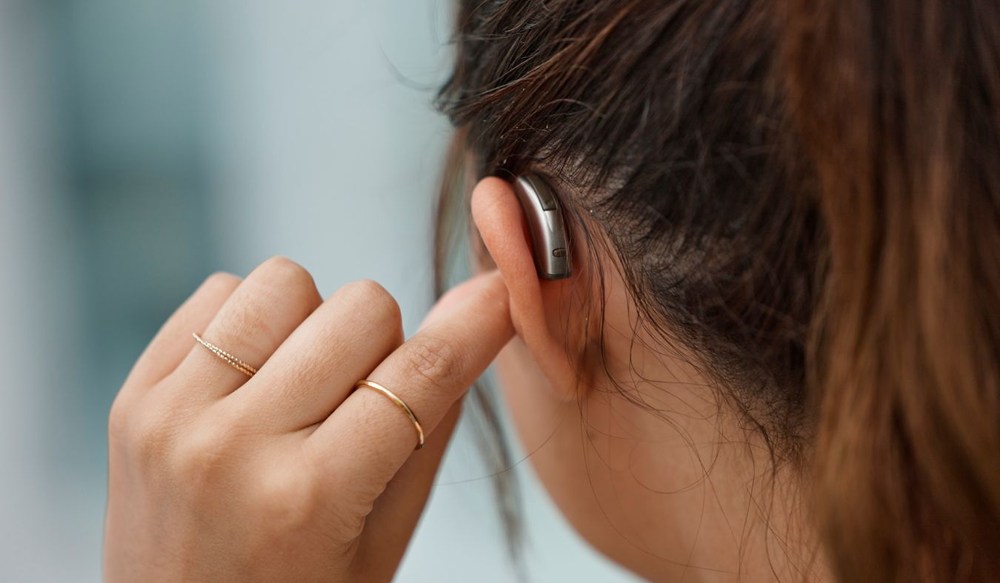
Late-season Rams games at Canvas Stadium have a way of sending everyone digging for the warmest hat they own. If you wear hearing aids, pulling a beanie down over your ears means trapped warmth, a little sweat and maybe some whistling.
Then you get home to a house where the furnace has been running all day and the air is dry enough to crack your knuckles. Your hearing aids live in both of those worlds all winter long.
Fort Collins is dry to begin with, and indoor heat pulls even more moisture out of the air. That can leave your ear canals itchy and flaky, which can make a once-comfortable fit start to rub.
Meanwhile, sweat from hats and scarves finds its way into microphone ports and battery doors. None of it happens at once, so the first sign is often sound that cuts out or a device that dies earlier than it should.
Your ears feel the change in humidity too. Cooler outdoor air and heated indoor spaces can pull moisture from the skin lining the ear canal. For people who wear hearing aids every day, that dryness can make a normally comfortable fit start feeling different.
Early signs are often more irritating than painful. You might notice:
Fall weather can expose hearing aids to both moisture and very dry air, sometimes within the same day. Those two problems can create very different sound changes. Paying attention to what the hearing aids are doing can help you tell them apart.
Picture spending an afternoon outside in Fort Collins with a knit hat pulled over your ears. Heat and perspiration can get trapped underneath, leaving microphones or other openings damp. When that happens, sound may become muffled, distorted or unusually quiet.
Static usually sounds sharper and more sudden. You might hear an isolated crackle after removing a fleece jacket, touching a blanket or moving across carpet.
Think about what happened immediately before the sound changed. A damp hat, a temperature shift or a burst of static each points toward a different cause. Those clues can make it easier to decide whether the devices need time to dry or were moved through a very dry environment.
Moving from cold outdoor air into a heated building creates another issue entirely. Your hearing aids warm up along with you, and that fast temperature change can allow small amounts of condensation to form.
If you notice any moisture on your hearing aids, wipe them down with a dry cloth. With disposable-battery models, you can open the battery doors for a little while to help them air out. Rechargeable hearing aids are different, so follow the drying instructions that came with yours.
An overnight drying system can also help remove moisture that is harder to see. This is especially useful during weeks when Fort Collins temperatures swing sharply between chilly mornings and warmer afternoons.
Cooler mornings can make hearing aid batteries behave differently, especially if you spend a lot of time outside. Cold temperatures slow the chemical reactions that batteries rely on to produce steady power.
You might notice shorter battery life during a chilly walk, outdoor game or early morning errand. In some cases, the hearing aids may shut down sooner than expected, then work normally again after warming up indoors. Rechargeable models can also lose charge faster when they spend long stretches in colder conditions.
Keep spare disposable batteries somewhere dry and close to body temperature rather than in a cold car or garage. If battery life drops sharply without any change in weather or routine, your audiologist can check for another cause.
Low humidity affects more than the electronics inside your hearing aids. Domes, earmolds and other parts that sit against your ear also go through daily wear as the seasons change. In Colorado’s drier months, older materials can start feeling less flexible than they did earlier in the year.
A silicone dome that has been worn for a while can gradually stiffen or lose its original shape. Once that happens, it may rub against one area of the ear canal or stop forming the same comfortable seal.
Earmolds can create similar problems when the material ages or your ear has changed since the fitting. Small differences in fit can lead to pressure spots that were not noticeable during warmer months.
Check removable pieces for cracking, stiffness or visible wear while cleaning your hearing aids. Replacing an older dome or having an uncomfortable earmold checked can restore a better fit.
Sweaters, scarves and knit hats come back into rotation as Fort Collins mornings get cooler. Those extra layers also create more friction as fabric brushes against your hair, clothing and hearing aids. Fleece, acrylic and other synthetic materials are especially prone to building static in dry air.
You might hear a sudden pop while pulling a sweater over your head or taking off a beanie. The sound can seem like a hearing aid problem, even though the charge came from your clothing. Static is noticeable when indoor heating has already dried out the air.
A few small changes can reduce how often it happens. Cotton and other natural fabrics also tend to create less static than many synthetic materials, which can make scarves and hats more hearing aid friendly.
Fall dryness does not always stop at the ear canal. The skin around your outer ears can start feeling tight, flaky or irritated after weeks of cooler air and indoor heat. A small amount of moisturizer can help when the dryness is limited to the skin you can easily see and reach.
When the skin around your ears starts feeling dry, reach for a light, fragrance-free moisturizer. A small dab on the outer ear or behind the earlobe is plenty. Just keep it away from the opening of your ear canal. Thick creams and strong scents tend to leave a film behind, and they can make dry skin even more irritated.
Give the moisturizer time to absorb before putting your hearing aids back on. Oils left on the skin can transfer to domes, earmolds or microphone openings if the devices go in too soon.
Your hearing aids spend several hours out of your ears each night, so where you leave them matters. A bedroom that feels especially dry can contribute to static around bedding, clothing and nearby surfaces. A cool-mist humidifier can make the room more comfortable without exposing the devices directly to moisture.
Keep hearing aids away from heating vents, radiators or other spots that become noticeably warm overnight. Direct heat is harder on batteries, casings and internal components than normal room temperature.
If you use a drying system, follow the instructions for your particular hearing aids. Some systems use desiccant capsules, while rechargeable models often have different storage requirements.
Fall care does not need to turn into a complicated nightly checklist. A few consistent habits make it easier to catch wax, dust or moisture before they start affecting sound. They also give you a sense of when a problem is no longer something routine cleaning will solve.
A simple daily routine can cover the basics without taking much time:
Fall in Fort Collins can be tough on hearing aids. One day you are dealing with a warm hat and sweat around your ears, and the next you are sitting inside with the heat running and the air feeling bone dry.
At Advanced Hearing Services in Fort Collins, Colorado, we can look over your hearing aids and help you get them ready for heating season. That way, you can pull your beanie on for the next Rams game without wondering whether your devices will hold up. Call us at (970) 449-0592 to schedule a visit.
Late-season Rams games at Canvas Stadium have a way of sending everyone
By: admin | October 27, 2026
Old Town Fort Collins on a Friday night gets loud fast, live music
By: admin | August 24, 2026
If you wear hearing aids, you already know how easy it is to forget
By: admin | May 18, 2026